September 4, 2026
October 27, 2025
Time for a real investment in the performing arts for the young
With small adjustments, the government could strengthen a well-functioning system that provides great cultural, social and democratic benefits.
The state budget for 2026 also does not include any increases for the dissemination of performing arts for children and young people at the national level. Neither production funds for artists nor dissemination to this important target group is prioritized by the government.
Make better use of existing systems
– At a time when the message from politicians is that there is less money, and where we need more than ever to give children and young people perspectives on the world and life, we ask ourselves why we are not making better use of the systems and places that already exist , asks CEO Tine Valavuo Tyldum. – It takes so little to give this field a much-needed boost , she continues.
Smaller organizer sizes weaken diversity
None of the national schemes that Scenekunstbruket manager, has been granted some increase since 2013. When the funds are not sufficient, the tours stop. Therefore, Scenekunstbruket has prioritized increasing production funds for resuming and facilitating tours by 300,000 kroner over the past three years – a necessary step to ensure quality and availability across the country. It goes without saying that there are no more funds to be found in our own budgets.
For our organizer support, the insufficient increase could have a real consequence for the diversity children and young people encounter in Den kulturellter skolesekken (DKS). – Think of the increase in costs in society in the last 13 years , says Tyldum. The feedback from the organizers in the counties in DKS is that increased costs and less funding affect the diversity in what is possible to present to children and young people through DKS. The productions that are presented are fewer, smaller and the formats more similar.
A small investment with a big impact
For event organizers, support is a small investment that provides great cultural benefits for the population. With only 2 million, Scenekunstbruket and cultural centers across the country present open, professional performances for the country's youngest population in various formats, for 0-20 years, in addition to the performances that tour in DKS. Cultural centers in the same region can collaborate on tours, and the funds go directly to the dissemination of performances, not administration. More children and young people get to experience good performances, cultural centers are strengthened as local meeting places and finished productions have a longer life. Scenekunstbruket did a very successful pilot on organizer support for cultural centers in 2024-25: Read more about it here .
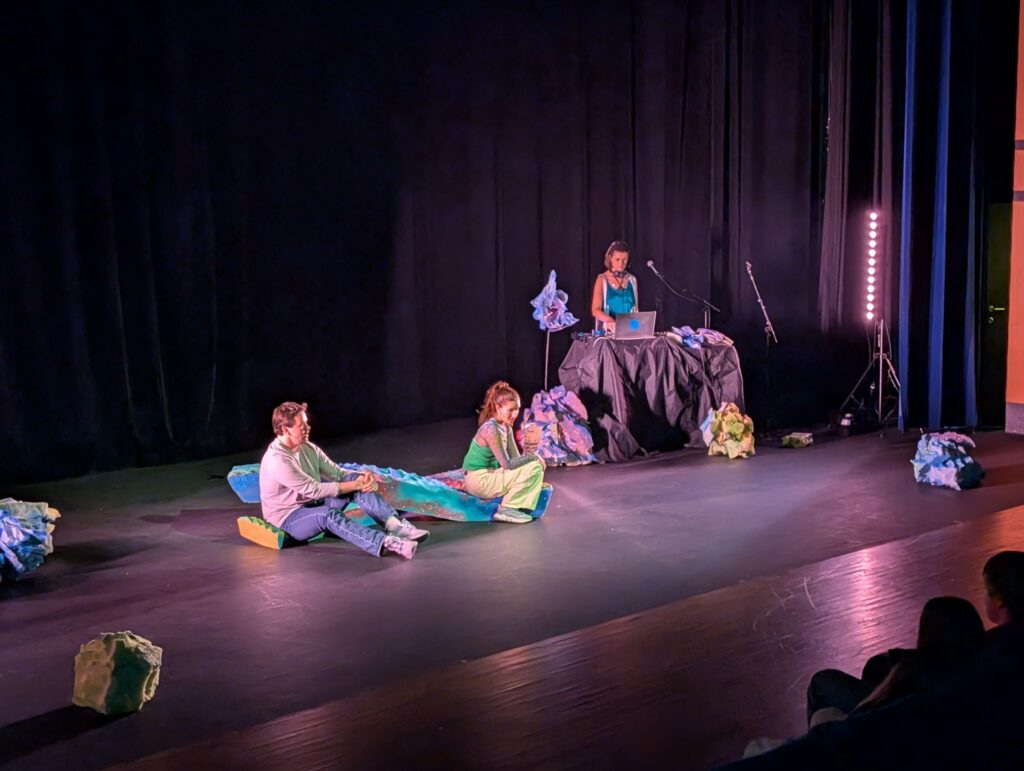
Strengthening artists' opportunities to develop good projects and investing in the dissemination of performing arts throughout the country is good children's and youth policy, democratically important, effective artist policy and expedient district policy.
A vulnerable ecosystem
The ecosystem for the performing arts field is vulnerable and the schemes depend on each other. Scenekunstbruket views with concern the cut of nearly 4 million to SKUDA, the Actors and Dancers Alliance, as many of the performers who work in the free field and produce performances for the youngest audience are employed by SKUDA. Employment in SKUDA gives actors and dancers the opportunity for a sustainable working life in the free field. It is also critical for the entire performing arts field that the cultural fund is not increased as this is the most important thing we have for the production of free art in the country, regardless of target group.
Main photo: As part of Scenekunstbruket's pilot project with cultural centers, Ritsj played with Katma to sold-out houses on a cultural center tour in Finnmark, and extra performances had to be put on. Photographer: Dánil Røkke